

Understanding Why Menstrual Flow Changes
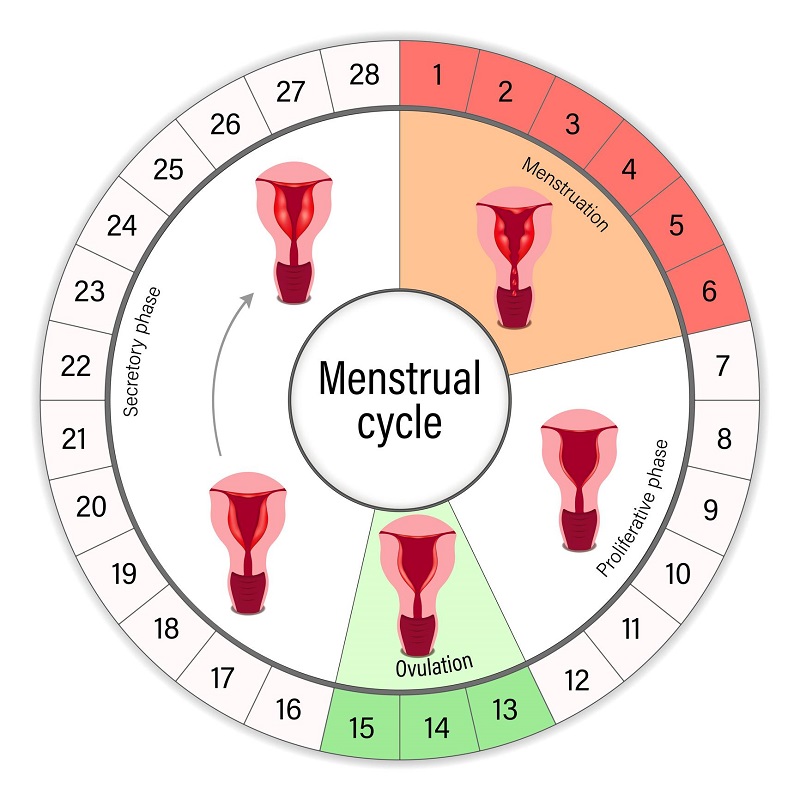
Menstrual flow is not the same every day. During a typical cycle, most people experience heavy-flow days followed by lighter-flow days toward the end of the period. These changes are influenced by hormonal fluctuations and the natural shedding process of the uterine lining. Because flow volume varies, one single type of sanitary pad may not meet all needs throughout the cycle.
Understanding these differences is the first step toward choosing the right protection.
What Defines Heavy Flow Days?
Heavy flow most commonly occurs during the first few days of menstruation. Typical signs include:
- Needing to change pads frequently
- Leakage at the sides or back
- A wet feeling shortly after application
- Increased concern during movement or sleep
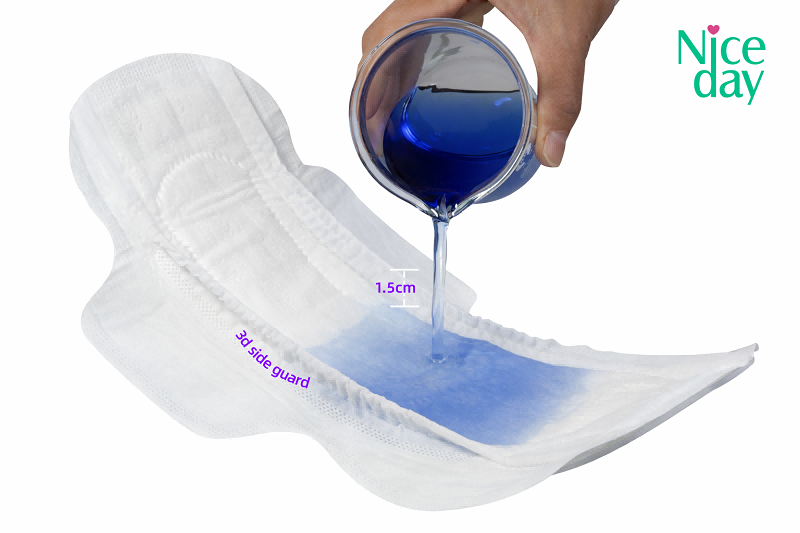
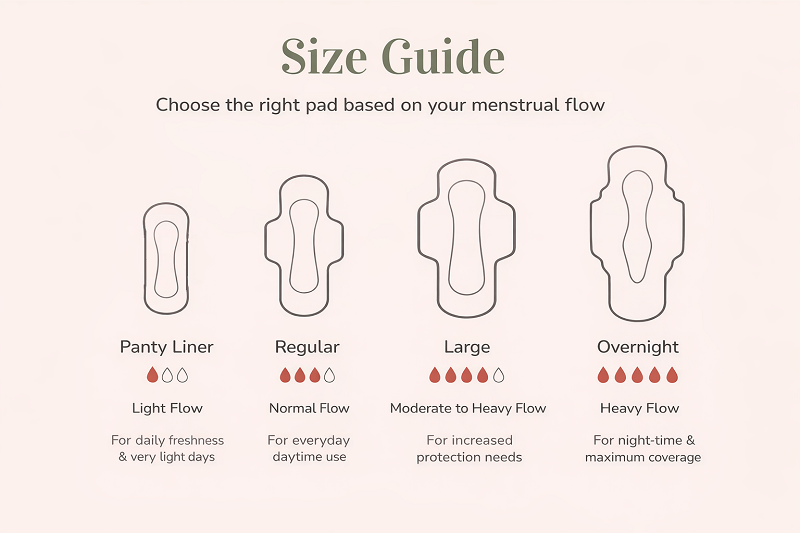
Functional needs on heavy-flow days include high absorbency capacity, fast liquid intake to keep the surface dry, and side-leak prevention. Pads designed for heavy flow often feature reinforced absorbent layers and 3D side guard structures to reduce leakage.
What Defines Light Flow Days?
Light flow usually appears at the beginning or end of a period, during spotting days, or in daily hygiene use outside the cycle. On these days, excessive thickness or poor breathability may cause discomfort rather than protection.
Functional needs on light-flow days focus on breathability, soft contact materials, and low bulk. Panty liners or ultra-thin pads are commonly used during this stage.
Why Flow-Based Selection Matters
Using products that do not match flow level can lead to leakage, skin irritation, or moisture buildup. A flow-based approach improves skin comfort, daily mobility, and overall menstrual hygiene experience. Many menstrual care guidelines recommend switching products throughout the cycle rather than relying on a single option.
Material Considerations for Light Flow and Daily Use
Material choice becomes especially important when absorbency needs are low but wear time may be long. Organic cotton surfaces are often chosen because they allow better airflow, reduce friction, and help minimize irritation during extended wear.
Structural Design Considerations for Heavy Flow
For heavier days, product structure plays a critical role. Design features commonly associated with heavy-flow pads include 3D side guards that help block side leakage, layered absorbent cores for faster liquid distribution, and stable shapes that stay in place during movement.
How Approaches Different Flow Needs
Some menstrual care brands address flow variation by offering function-specific designs rather than one-size-fits-all solutions. Niceday structures its feminine care range around different usage scenarios, including pads with enhanced absorbency and side protection for heavy-flow days, as well as organic cotton panty liners designed for light flow and daily comfort.
This approach reflects a broader industry trend toward flow-based menstrual care focused on comfort, skin health, and practical daily use.
Conclusion